Operaciones circulares y eficientes
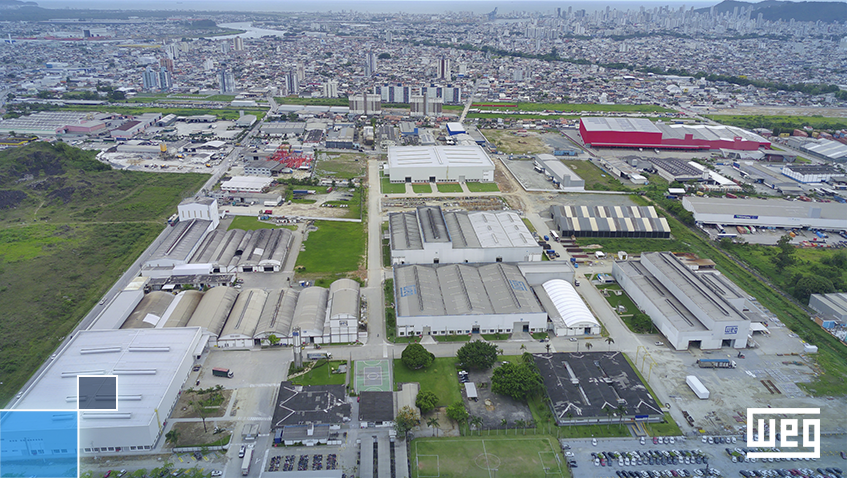
La economía circular busca maximizar el valor de los recursos mientras minimiza el desperdicio y los impactos ambientales. En este modelo, los productos son proyectados para ser durables, reparables y reciclables, incentivando la reutilización y el reciclaje de materiales. En vez de seguir el tradicional modelo lineal de producción y consumo, en que los productos son fabricados, usados y descartados, la economía circular promueve la idea de un ciclo continuo, donde los materiales son mantenidos en uso por el mayor tiempo posible.
Ese abordaje no solamente contribuye a la conservación de los recursos naturales, sino que también estimula la innovación, la creación de empleos y el crecimiento económico sustentable, tornándose esencial para enfrentar los desafíos globales de hoy, como los cambios climáticos y la escasez de recursos.
Consolidando el compromiso WEG, poseemos certificaciones ISO 14.001 demostrando la gestión ambiental en las operaciones de la empresa.
Programas & Prácticas
Residuos y energía
Residuos Sólidos
WEG tiene un sistema de recolección selectiva de residuos en sus operaciones. De esa forma, los residuos son separados y enviados a los recicladores de cada uno de los materiales, posibilitando así su valorización y la reintroducción de los materiales en los más diversos ciclos productivos. Es importante enfatizar que parte de los residuos generados en las operaciones son reciclados por la propia WEG, retornando así al proceso y haciendo parte de sus productos. Todos los residuos son enviados a empresas ambientalmente responsables, seleccionadas y desarrolladas por el equipo de gestión ambiental de WEG.
Energía
WEG cuenta con la Política de Eficiencia Energética, desde 2012, en la cual demuestra su compromiso con la gestión de ese insumo. Esa política es desdoblada en acciones para el monitoreo y la reducción del consumo de energía, lo que contribuye a la mejora del medio ambiente. WEG pretende tornar, cada vez más, sus fuentes de energía más limpias, renovables y sustentables.
Agua, efluentes y recursos hídricos
WEG monitorea el consumo de agua de sus operaciones y tiene diversos controles operacionales que garantizan una gestión eficiente sobre ese recurso, evitando así el desperdicio y promoviendo un consumo consciente. Todos los efluentes generados en las operaciones son debidamente tratados y periódicamente monitoreados, de forma de garantizar el cumplimiento de las legislaciones y la minimización de los impactos en los diferentes stakeholders.
Parte de los efluentes tratados en las operaciones son reutilizados en los procesos internos, donde algunas estaciones de tratamiento de efluentes posibilitan hasta 100% de reúso del efluente tratado. Adoptamos iniciativas focalizadas en la reducción del consumo de agua y de la generación de efluentes, a través del control de pérdidas, del monitoreo del consumo y del apoyo a los programas que involucran a todos los colaboradores a ese objetivo, como el KaizenWEG y el WEG Manufacturing System.

Inversiones y gastos en medio ambiente
Las inversiones ambientales son caracterizadas en tres categorías:
- Control ambiental: relacionado con el tratamiento y la disposición de residuos, tratamiento de emisiones atmosféricas y líquidas, seguros de responsabilidad ambiental y depreciación de equipos y gastos con materiales y servicios de mantenimiento.
- Equipos: relacionados a la adquisición de equipos para control ambiental.
- Gestión: relacionado a la remuneración de profesionales de capacitación que ejercen actividades de gestión ambiental, investigación y desarrollo, y a la certificación de sistemas de gestión ambiental.

Embalajes sustentables y preservación de la biodiversidad
Poseemos una fábrica de embalajes, RF Reflorestadora, localizada en Brasil. Esa unidad produce todos los embalajes de madera utilizados en nuestras diversas líneas de producto. Para eso, contamos con áreas de reforestación propias que garantizan el suministro continuo de madera y la preservación de ese recurso natural y de áreas de bosques naturales, reserva legal y áreas de preservación permanente que ayudan en la conservación de la biodiversidad local.
Las áreas cumplen todas las legislaciones y requisitos legales, así como un área de conservación de bosques nativos muy superior al mínimo de la reserva legal establecida.
Además de eso, WEG promueve y apoya iniciativas de reforestación consciente y conservación de la naturaleza, e invierte en la arborización de sus parques fabriles.

KaizenWEG
KaizenWEG fue creado en 2016 y es el corazón del sistema de gestión de mejora continua de WEG, el WMS, donde todos los colaboradores son incentivados a promover mejoras en su entorno de trabajo o en cualquier otra área de la empresa, identificando desperdicios, analizando causas y participando en equipos multidisciplinarios para la resolución de problemas.
Siendo uno de los pilares de la Gestión Participativa de la Compañía, desde su creación se han implementado más de 300 mil mejoras, aportando mayor seguridad, calidad y productividad, además de hacer el entorno laboral cada vez más eficiente y sostenible.
La búsqueda colectiva de la excelencia operativa y la sostenibilidad en un escenario de verticalización de procesos convierte a la gestión participativa en una pieza clave para potenciar los resultados de WEG.
Mira el video del lanzamiento de la nueva plataforma de KaizenWEG:

WMS (WEG Management System)
El sistema de gestión de mejora continua de WEG es el WMS, que tiene como principal objetivo la identificación y eliminación de pérdidas y desperdicios.
Los resultados son maximizados a través de las matrices de priorización de seguridad, calidad, costo y emisiones de GEE (gases de efecto invernadero horno), que direccionan la implementación de proyectos de optimización o eliminación de estos desperdicios, contribuyendo a un mundo más eficiente y sustentable.
Además de los frentes de trabajo de optimización, equipos multidisciplinarios actúan como puntos focales de mejora continua, trayendo innovaciones y disrupciones a nuestros procesos.
Uno de estos puntos de foco es el pilar de Medio Ambiente y Energía, que focaliza y sistematiza la reducción de impactos ambientales, actuando para reducir o eliminar la generación de residuos y emisiones, el consumo de recursos energéticos, limpiezas químicas e insumos en general.
Plan de Sustitución WEG (Disponible solo en Brasil)
El reciclaje es un tema serio para WEG y se extiende también a sus negocios. A través del programa de reutilización de motores eléctricos, el “Plan de Sustitución”, la empresa otorga un descuento en la compra de un motor nuevo con eficiencia superior a la exigida por la ley a cambio de uno usado. Además del beneficio financiero para los clientes, la iniciativa garantiza que el motor de baja eficiencia deje de utilizarse. Una vez recolectados por la empresa, los motores se desmontan y se separan en partes para su envío a recicladores acreditados y con trazabilidad.
Beneficios
Reducción del consumo de energía eléctrica
Confiabilidad de la planta
Reducción de los costos operativos
Garantía de fábrica
Productos estándar: total intercambiabilidad con los motores ya instalados
Ítem | 2021 | 2022 | 2023 | 2024 | 2025 |
Productos vendidos que pueden reutilizarse o reciclarse* (%) – Base en peso | 68 | 73 | 65 | 70 | 62 |
Productos efectivamente reutilizados o reciclados por la empresa* (%) – Base en peso | 12 | 16 | 14 | 4 | 14 |
* Considera únicamente los productos comercializados y recolectados en el mercado brasileño
Inversiones en medio ambiente
Las inversiones ambientales se clasifican en dos categorías:
Inversiones de capital: se refieren a la adquisición de equipos de control ambiental.
Gastos operativos (R$): se refieren al tratamiento y la disposición de residuos, el tratamiento de emisiones atmosféricas y efluentes líquidos, el seguro de responsabilidad ambiental y la depreciación de equipos, además de los gastos en materiales y mantenimiento, y en la remuneración del personal que trabaja en gestión ambiental, investigación y desarrollo, y certificación de sistemas de gestión ambiental.
A continuación se presenta el monto invertido en cada categoría:
Ítem | 2021 | 2022 | 2023 | 2024 | 2025 |
Inversiones de capital (R$) | 1.329.000 | 1.788.000 | 1.819.000 | 11.141.393 | 29.718.048 |
Gastos operativos (R$) | 14.684.000 | 17.753.000 | 23.509.000 | 33.605.910 | 48.853.287 |
| % de las operaciones cubiertas (%) | 70 | 70 | 70 | 89 | 98 |
Certificación ambiental
En 2025, considerando el alcance de colaboradores, el 72,9% de los colaboradores del Grupo WEG estuvo cubierto por auditorías ambientales externas y certificación ISO 14001, mientras que el 5,5% estuvo cubierto por auditorías ambientales realizadas por un equipo interno, lo que totaliza una cobertura del 78,4% de los colaboradores del Grupo WEG auditados en materia ambiental.
Haga clic aquí para acceder a los certificados
Auditorías ambientales
WEG cuenta con un proceso cíclico de auditorías ambientales que abarca todas sus operaciones industriales.
Mediante el proceso anual de auditoría ambiental, WEG garantiza el cumplimiento de la legislación ambiental en todas sus operaciones industriales.
Indicadores de desempeño
En 2023 se amplió el alcance de las unidades monitoreadas para incluir las direcciones comerciales de la empresa. Así, el 100% de las direcciones de WEG en el mundo está ahora incluido en los indicadores.
Energía
WEG cuenta con una Política de Eficiencia Energética desde 2012, en la que demuestra su compromiso con la gestión de este insumo. Esta política desarrolla acciones para monitorear y reducir el consumo de energía, lo que contribuye a mejorar el medio ambiente. WEG busca que sus fuentes de energía sean cada vez más limpias, renovables y sostenibles.
Consumo total de energía | Unidad | 2021 | 2022 | 2023 | 2024 |
Consumo total de energía no renovable | MWh | 535.599 | 510.110 | 454.702 | 212.113 |
Consumo total de energía renovable | MWh | 57.801 | 88.904 | 129.202 | 427.398 |
Consumo total de energía (no renovable + renovable) | MWh | 593.400 | 599.014 | 583.904 | 639.511 |
Cobertura de los datos (%) | En relación con los colaboradores | 100 | 100 | 100 | 100 |
Adquisición de energía renovable
En 2024, WEG aseguró que el 66,8% del consumo de energía proviniera de fuentes renovables con origen garantizado, mediante autoproducción, compra de certificados de energía renovable (I-REC) y contratos bilaterales.
Emisiones atmosféricas
WEG monitorea las emisiones atmosféricas de compuestos orgánicos volátiles. A continuación se presentan los resultados de las emisiones de los equipos monitoreados en los últimos años.
En 2024, WEG actualizó la metodología de cálculo de las emisiones de compuestos orgánicos volátiles (COV), con el objetivo de reflejar mejor las prácticas y estándares del mercado internacional. Actualmente se utilizan como referencia las metodologías AP-42 de la Agencia de Protección Ambiental de los Estados Unidos (EPA).
Ítem | 2019 | 2020 | 2021 | 2022 | 2023 | 2024 | 2025 |
Emisiones de compuestos orgánicos volátiles - COV (t/año) | 93,5 | 135,2 | 114,5 | 139,3 | 191,3 | 1.268 | 1.264 |
Tasa de cobertura (%) | 56 | 56 | 56 | 61 | 72 | 97 | 97 |
Infracciones ambientales
Una de las principales prioridades de WEG es el cumplimiento de la legislación ambiental aplicable a sus operaciones. En los últimos 4 años no hubo registro de multas ambientales significativas aplicadas a los negocios de WEG.