WEG has implemented two Battery Energy Storage System (BESS) solutions at Agropecuária Larssen, one of the leading companies in the animal protein sector in western Paraná, Brazil. The solution was installed at two of the company's fertile egg production units, where the main facility served by the largest system has a production capacity of approximately 70,000 eggs per day.
The systems were installed and commissioned at the end of May in partnership with system integrator LENZ and became operational in early June. By combining battery energy storage technology with photovoltaic generation, the solution increases the farm's energy autonomy, reduces operating costs, and enhances the reliability of the power supply.
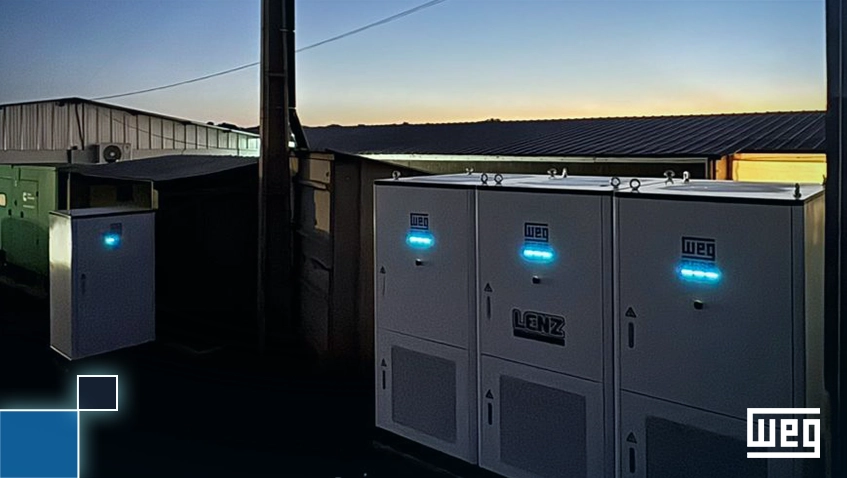
The project includes a 300 kW/645 kWh BSCW400 BESS integrated with a 300-kW photovoltaic power plant and equipped with a Static Transfer Switch (STS), designed for backup power and peak demand management. The second system, also based on the BSCW400 platform, has a capacity of 100 kW/215 kWh and is dedicated exclusively to energy management, storing excess solar energy for use during periods with higher electricity tariffs.
At the main production unit, the solution was designed to ensure the continuity of critical loads by automatically supplying power whenever disturbances or outages occur in the utility grid. The transfer takes place in approximately 40 milliseconds—an imperceptible interruption for the equipment—allowing essential systems such as poultry house ventilation and climate control to continue operating without disruption. This feature significantly reduces the need to activate the diesel generator, lowering operating costs, CO₂ emissions, and noise levels within the production environment.
In addition to its backup function, the system operates on a scheduled basis during peak tariff periods, using the energy stored in the batteries to fully supply the facility. All electricity consumed during these periods comes from photovoltaic energy generated and stored throughout the day, maximizing renewable energy self-consumption and significantly reducing electricity costs.
The benefits extend beyond financial savings. With a more stable power supply, the farm minimizes the risk of operational interruptions, avoids production losses, and provides a more stable environment for the birds by reducing thermal stress caused by interruptions to climate control systems. This greater operational stability is also expected to contribute to indirect productivity gains over time.
For WEG, the project represents an important milestone in expanding BESS solutions for the agribusiness sector, particularly in regions with a strong agro-industrial profile. The installation serves as a reference for energy storage applications in agriculture, demonstrating the practical benefits of combining battery storage with photovoltaic generation to increase energy autonomy and operational efficiency.
With an estimated production of 70,000 fertile eggs per day at the facility covered by the system, the customer now benefits from a more autonomous, quieter, more cost-effective, and more resilient operation. Considering the savings achieved through reduced peak-hour electricity consumption, lower diesel usage, and greater utilization of solar energy, the project has an estimated payback period of 3.8 years, reinforcing the economic and strategic viability of this technology for Brazilian agribusiness.